
How to stop teaching every AI agent the same lesson with Hivemind
Hivemind captures traces, turns repeated work into reusable skills, and shares that memory across Claude Code, OpenClaw, Codex, Cursor, Hermes, and pi.

Your Claude Code Skill Won't Trigger? The Description Is Doing 90% of the Work
Skills let you stop re-explaining the same workflow to Claude Code. Here's how to write one that actually fires when you need it — and why the frontmatter description, not the body, makes or breaks it.

Automating a Monthly Meal Planner with OpenClaw Cron — A Beginner's Step-by-Step
meal.vibed-lab.com regenerates itself every month with zero clicks. Here is the exact, beginner-friendly recipe for setting up an OpenClaw cron job — the trigger, the skill, the test loop, and the patterns that make it actually trustworthy.

Why one benchmark won't tell you the best coding LLM in 2026 — and which three together actually do

Designing Frontends Claude Can Actually Use — A 7-Step Field Guide From the Day My Scoring App Got Audited by Its Own AI
Last Wednesday, Claude navigated my multi-criteria scoring web app, evaluated a sample candidate, flagged a potential methodology bias, worked through a fix with me, ran 305 tests, and shipped the patch to production — all in one afternoon. Here is what made that possible (and what would have made it impossible).
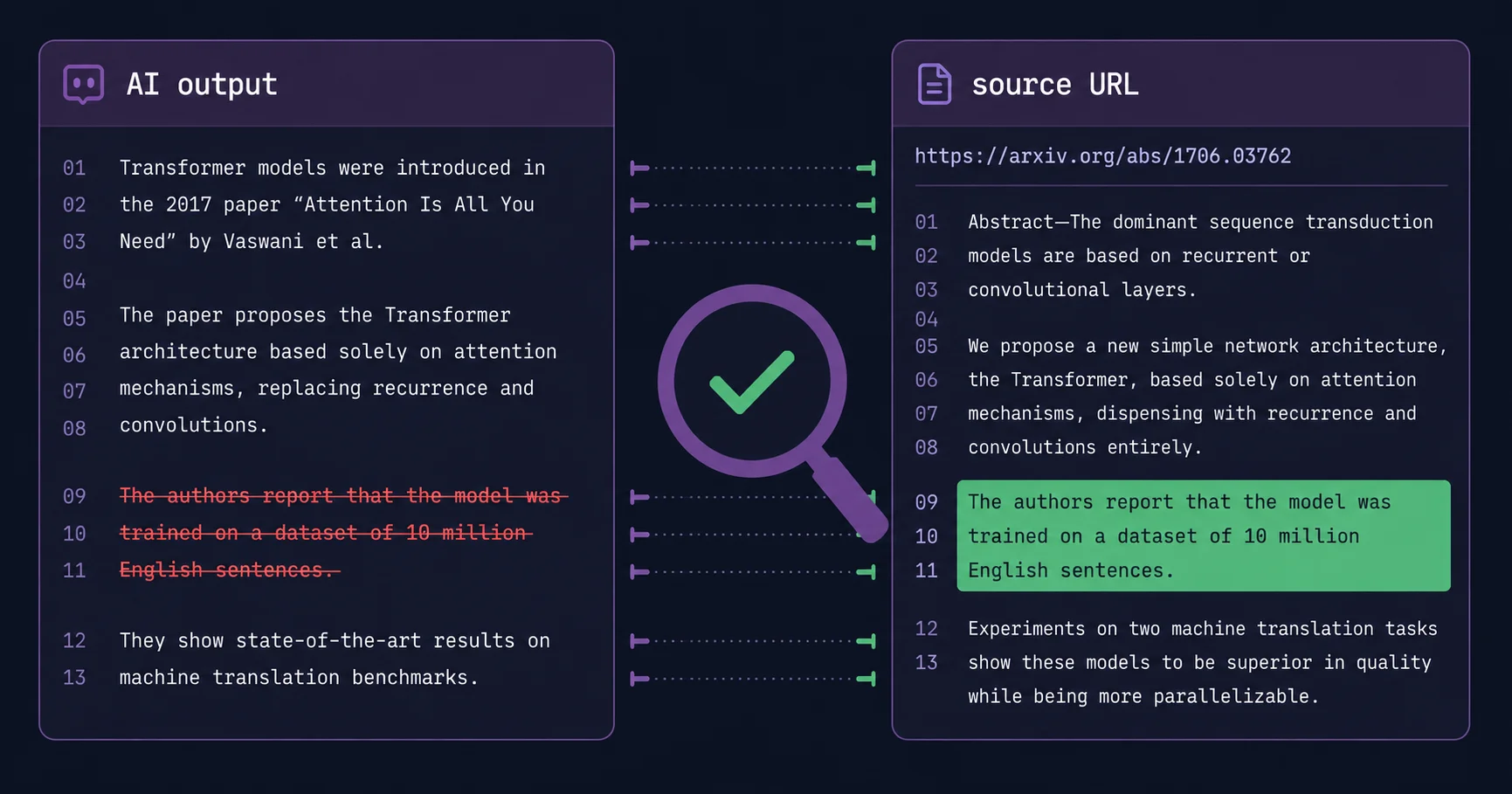
Stop AI from Fabricating Research Citations: A Build-Pipeline Checklist
If you've ever asked an AI to pull literature data and worried the cited PMIDs might be invented, here's a build-time check that refuses to ship the moment a quoted excerpt can't be found in its source URL. Six lines of logic, three layers of protection.

Keystroke Aura — How I Turned Typing Rhythm into a Personality Test
Built a monthly playground toy that measures your typing rhythm and maps it to one of 64 named auras with dual rarity scores. Here's how the feature vector + cosine distance pipeline works.

Karpathy Tweeted an Idea. I Spent a Day Putting It in My Obsidian Vault.
Andrej Karpathy posted a gist called 'LLM Wiki' — a pattern where the LLM maintains a compounding markdown wiki between you and your raw documents. I adapted it to my existing Obsidian vault without breaking what was already there. Here's what I changed, what surprised me, and the meta-lesson the wiki taught me about itself.

I Combined Two Open-Source Repos Into an AI That Plans, Builds, and Reviews Its Own Code

OpenAI Just Built a Plugin for Their Competitor's Tool. I Installed It.
OpenAI released an official Codex plugin that runs inside Claude Code — their competitor's terminal. I installed it, set up the MCP server, and now my AI coding assistant has a second opinion on speed dial.
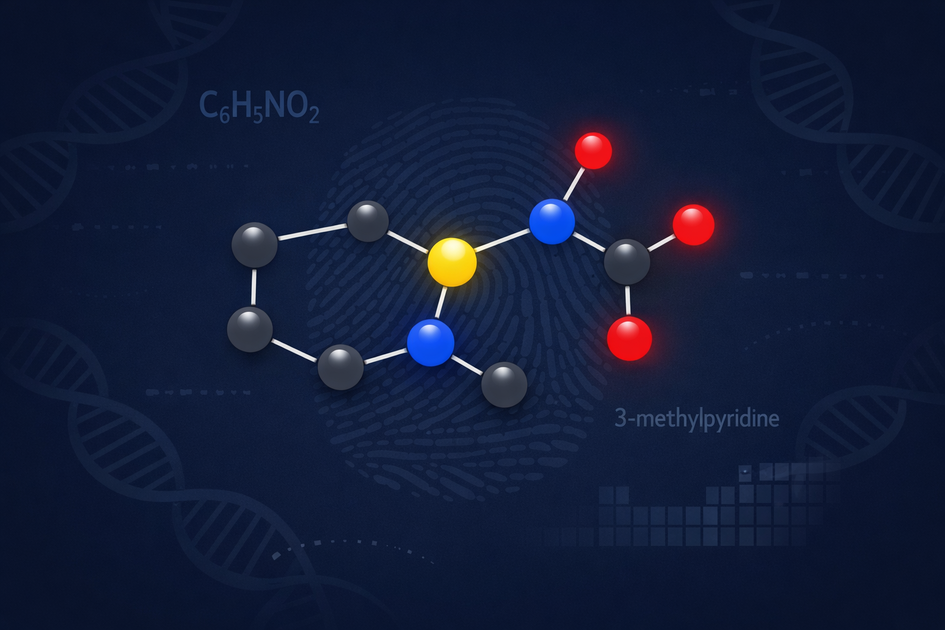
Molecule Me: Your Personality, Encoded in Chemistry
The second Playground toy turns your name and birthday into a unique molecular structure with real CPK colors, a fake IUPAC name, and a pharmacology profile that probably shouldn't exist. Here's what a pharmacist builds when nobody's watching.

Obsidian Turned My Scattered Notes Into a Second Brain. Here's How to Set It Up.
A non-developer's guide to setting up Obsidian as your personal knowledge base — from installation to graph view to connecting it with Claude AI via MCP. No coding required. Just folders, links, and a system that actually works.

Implementing Saju (四柱八字) in TypeScript: Calendar Math, Stem-Branch Cycles, and Solar-Term Boundaries
A technical devlog on implementing the Four Pillars (四柱八字) algorithm in TypeScript — Julian Day anchors, the 五虎遁年起月法 lookup for the month stem, 大運 direction logic, sexagenary cycle indexing, and the boundary cases that hide at solar terms.

I Taught My AI to Stop Asking Questions. It Took Five Rewrites.

I Let My AI Run 72 Backtests While I Watched. It Picked the Winner.
Claude Code controlled my browser, ran 72 strategy backtests on my own site, debated the results, and upgraded my AI trader — all in one session. A non-developer's story.
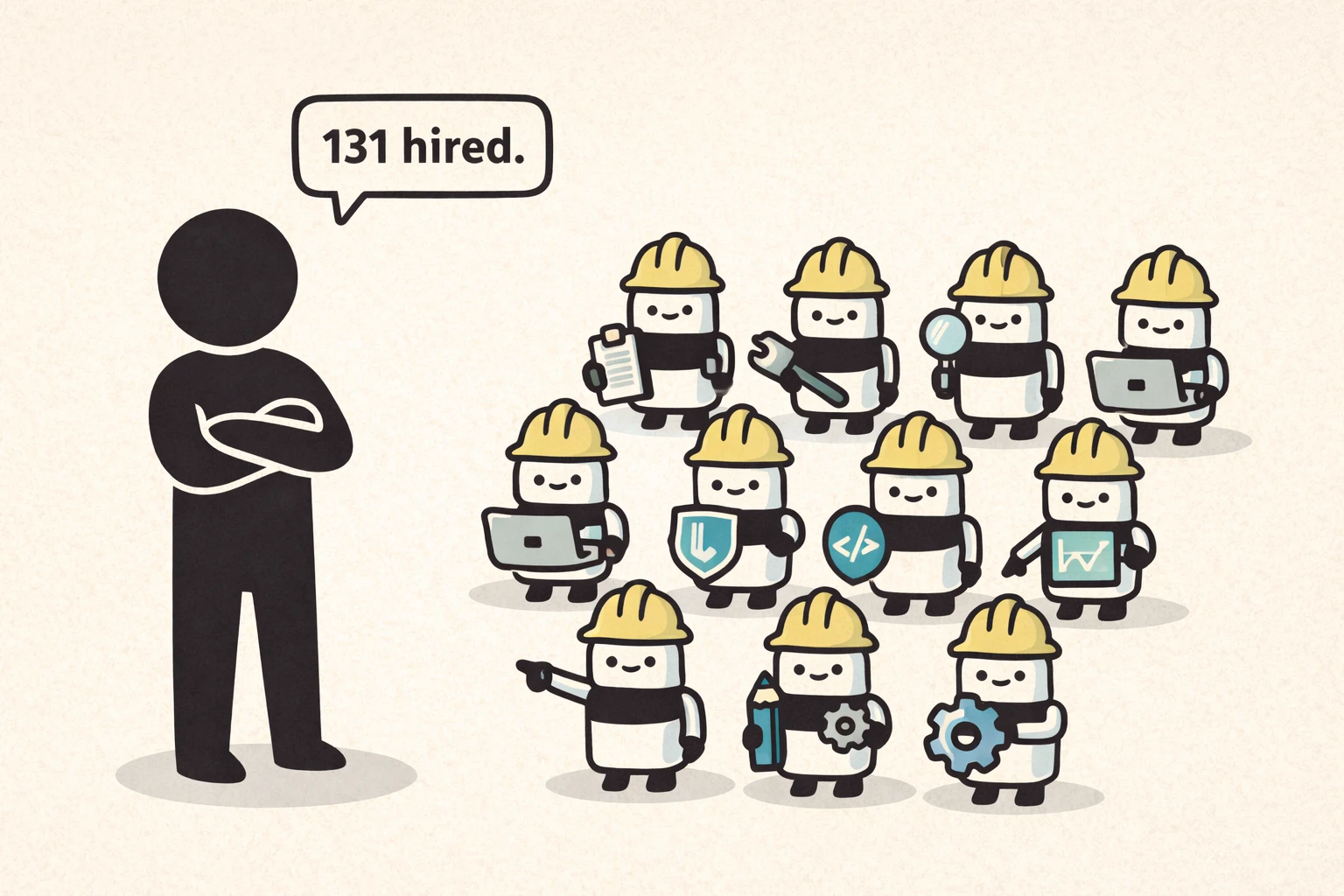
Claude Code Subagents: 3 Patterns That Actually Earn Their Keep
Forget the 'install 100 agents' hype. Here are the three subagent patterns I actually use — structured dispatch for decisions, mandatory review gates for autonomous work, and workload partition for big batches.

I Actually Fixed Everything. Here's What That Looked Like.
Part 2: I executed every fix from my audit checklist in 48 hours. A dedicated /about page with structured data, an author box on every post, and 12 expanded articles. Here's exactly what changed and why.
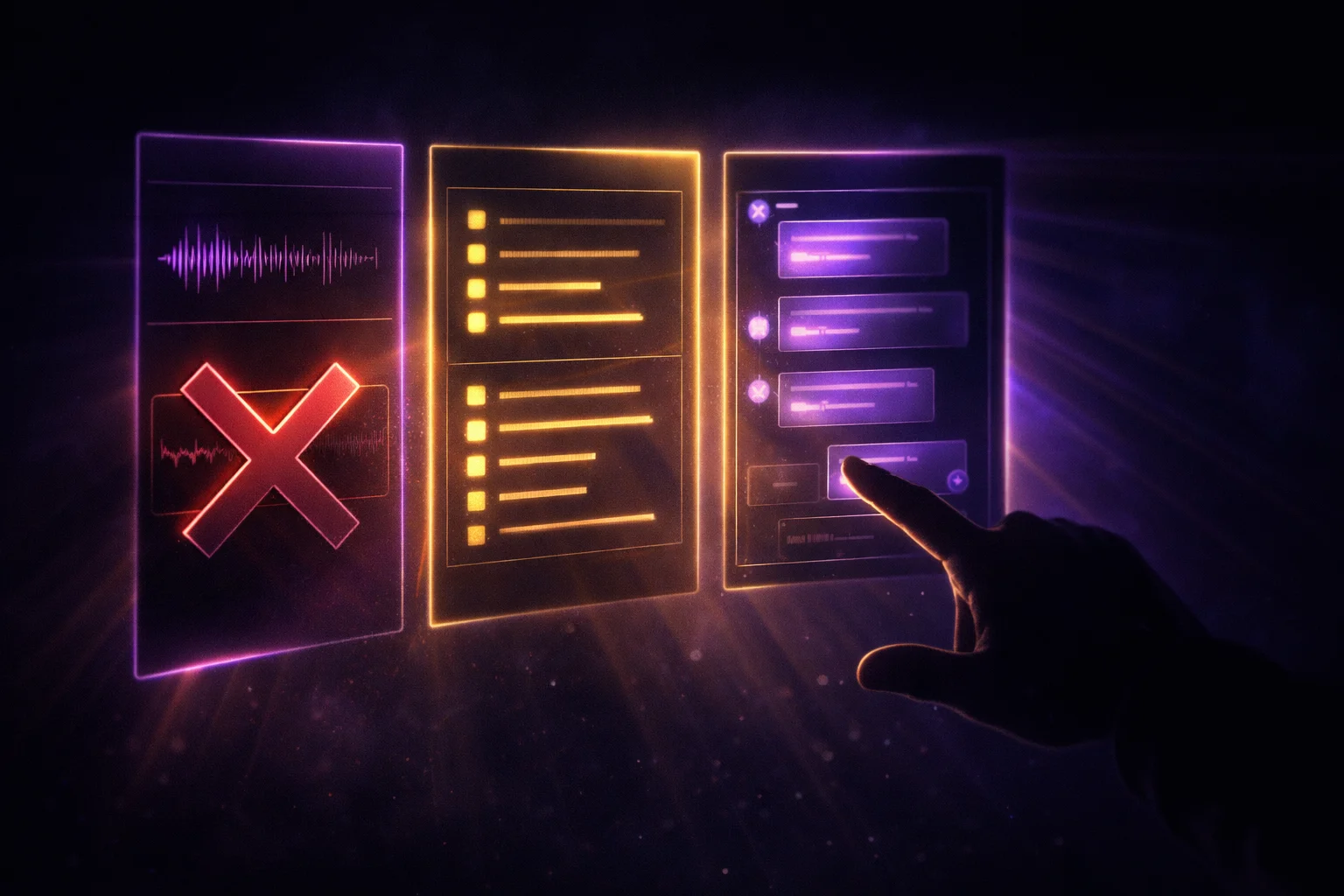
Why Real-Time Meeting Q&A Isn't Shippable Yet (and the Human-in-the-Loop System That Is)
Why real-time meeting Q&A fails without per-speaker mics, the human-in-the-loop tag system that made AI summaries better instead, and a layout fix that roughly doubled AI chat space.
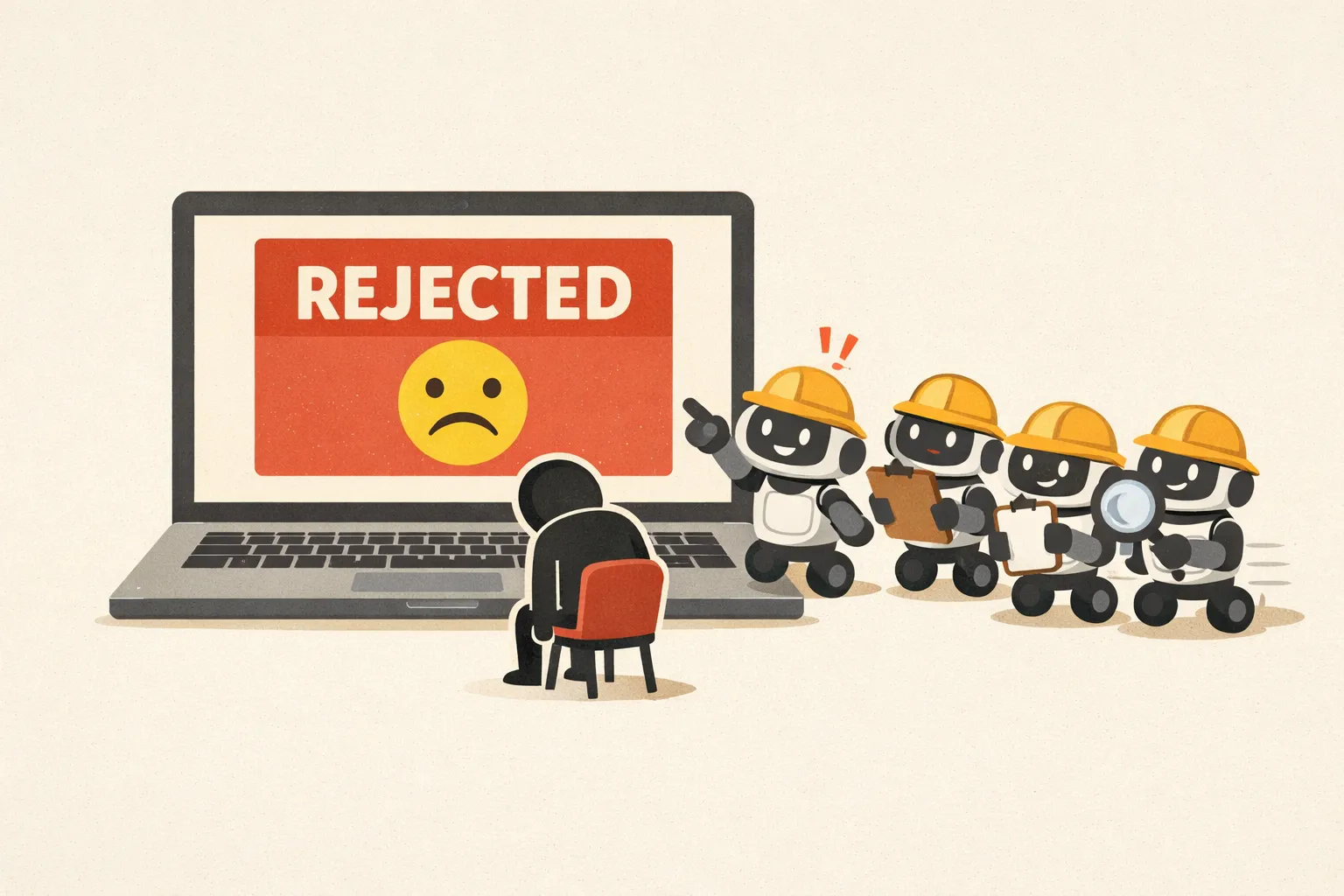
Google Rejected My Site for 'Low-Value Content.' Here's What I Actually Fixed.

The Interactive Component Cheat Sheet: What to Call That Clickable Thing
You've clicked tabs, toggled switches, and dismissed tooltips your entire internet life. You just never had names for them. A visual glossary of interactive UI components so your AI stops building the wrong thing.

The Layout Vocabulary Cheat Sheet: What to Call That Thing on Your Screen
You know what a hamburger menu looks like. You just don't know it's called a hamburger menu. A visual glossary of layout terms so your AI actually understands what you're asking for.

Playground Is Live: The Destiny Grid, Real Astrology, and Why I'm Shipping a Toy Every Month
Vibed Lab's Playground section is officially live — and the first toy is a fortune grid that maps your entire life to colored squares using real planetary cycles. Here's what's actually under the hood: Jupiter returns, Saturn cycles, Chiron wounds, and why your birth latitude matters more than you'd think.

Mobile-First Playground: Making an Astrology Grid Actually Work on a Phone (And Go Viral While Doing It)
The Destiny Grid looked great on desktop. On a 375px phone screen, it was an unscrollable, untappable, unshareable mess. Here's how I rebuilt the entire playground experience for mobile — touch targets, momentum scrolling, Web Share API, screenshot-friendly cards, and the surprisingly tricky art of making a 100-cell grid feel good under a thumb.

Why Your Next.js Favicon Isn't Showing (And the Three Ways to Actually Fix It)

GitHub Keeps Telling Me My Branch Is Fine. And Also Not Fine. At the Same Time.
If you've ever opened a pull request and watched the status flip between 'up to date' and 'behind main' over and over for no apparent reason — this post is for you. What's actually happening, what to do about it, and why it's not your fault.

Why Backtesting Matters: Or, How I Stopped Trusting My Gut and Started Trusting Data
A non-developer's honest take on why backtesting is the most underrated skill in crypto investing — and what happens when you skip it.

The Complete SEO Guide: How to Make Google Actually Notice Your Website
A thorough, practical guide to SEO — covering every tag, every file, and every decision that separates a site Google ignores from one it recommends. With code snippets for everything.

How I Fixed AI Over-correction
Three bugs that made VORA's AI rewrite normal speech: a doubled prompt, overly broad Korean text triggers, and vague correction instructions. How I fixed each one.

Why "Just Proxy /blog" Fails Across Cloudflare Pages and Vercel (and What Works Instead)

How to Deploy a Static Site to Cloudflare Pages Without the Gotchas (sitemap, robots.txt, and WASM headers)
Deploying a static site to Cloudflare Pages? Keep Google from silently skipping your pages (robots.txt/sitemap at the root), set the CORS/COEP headers WASM needs via the _headers file, and learn what to configure on day one.

The i18n + SEO Cleanup Chronicles: Canonical Chaos, hreflang Therapy, and Other Adventures
A long-form dev log on fixing multilingual routing and SEO consistency in CryptoBacktest, based on real commits across language toggles, canonical tags, sitemap, and robots.

How We Made VORA Bilingual Without a Heavy Localization Stack
How VORA handles Korean-English bilingual support with paired HTML pages and runtime dictionaries — without a full localization framework. Tradeoffs, sync problems, and migration plans.

The Branding Journey: From a Functional Name to VORA
How a meeting transcription app went from a generic functional name to VORA (Voice + Oracle) — and the real cost of rebranding URLs, metadata, and bilingual product surfaces.

Why Your Mobile Hamburger Menu Keeps Breaking (One Button, Three Root Causes)

Refactoring 3,000 Lines of CSS Without Breaking the App: Tokens, Variables, and a Same-Day Dark Mode
Three thousand lines of CSS, twelve shades of gray as raw hex codes, no source of truth for spacing, and a dark-mode request due Friday. How custom properties, a thin BEM, and a single :root toggle replaced cascade debugging with a maintainable token layer.

Making a Pharmacokinetic Tool Discoverable: SEO and Trust First
How I rebuilt PK-Swift's SEO foundation—HTML metadata, structured data, hreflang—to make a pharmacokinetic analysis tool discoverable to pharmacists and PK researchers.

I use $30K PK software every day. So I built my own.
A pharmacist's case for why non-commercial pharmacokinetic analysis software is long overdue and what it takes to build one that validates correctly.

Global UX Is 200 Tiny Fixes: The Day I Removed Two Korean Words
A small localization fix in PK-Swift turned into a full UX audit — color contrast, keyboard navigation, mixed-language labels, and why 'tiny' fixes compound into product trust for international users.

Why Your "Normal Release" Becomes 40 Medium Decisions and 120 Tiny Ones (a Ship-Week Survival Checklist)

Building a Real Meeting Export: From Raw Transcript to a Usable Report
Three versions of VORA's meeting export — from raw transcript dump to AI-structured reports with decisions, action items, and keywords. How prompt specificity fixed output quality.

Why setInterval Isn't Enough for Reliable Scheduling (and the drift-free fix)
If you schedule a recurring async task with setInterval, a slow callback makes intervals drift and overlap — sometimes 30 seconds apart, sometimes 5 minutes, sometimes seemingly never. Here's why setInterval breaks for async work and the recursive-setTimeout pattern that fixes it.

Groq Dual-AI Integration: Why I Added a Second AI and What It Actually Fixed
Why VORA added Groq alongside Gemini for real-time speech correction — the latency asymmetry problem, the day-one 400 error, and the fallback pattern that made dual-AI safe to ship.

Building the Priority Queue: How We Stopped Gemini API Chaos — and Why the First Two Designs Both Failed
Four iterations of VORA's Gemini API queue — from race-condition chaos to a stable priority system with per-type throttles. How we cut API calls by 75% and eliminated 429 errors.

Smart Parse Saved My Sanity, AI Parse Saved My Weekend

How to Improve Web Speech API Accuracy with N-Best Reranking (No Extra API Calls)
The Web Speech API returns multiple transcript candidates and most apps ignore them. Reranking those N-best candidates with domain dictionaries and priority terms cut word error rate ~8% (relative, vs top-1) before any LLM call. Here's how to build it.

Why We Killed Speaker Identification (And What We Learned from Two Weeks of Failure)
Why we spent two weeks building speaker identification for VORA and then deleted all of it. The Web Speech API's hard limits, a 60% accuracy heuristic, and the cost of shipping broken features.

The Whisper WASM Experiment: Why Browser AI Is Harder Than It Looks
I tested Whisper via ONNX Runtime Web and sherpa-onnx in the browser. Model size tradeoffs, SharedArrayBuffer isolation, and why browser inference works for offline use but not live meeting transcription.

From Python Server to Pure Browser: The Architecture Pivot That Changed Everything
The technical migration log: deleting the Python FastAPI + Faster-Whisper server, moving STT to the browser via Web Speech API, and the latency numbers that made the call obvious.

Why I shipped VORA before writing a single line of backend code

8 years of Bitcoin data taught me more than any trading book
I tested every popular crypto trading strategy against 8 years of real Bitcoin data. RSI, MACD, Bollinger Bands — most of them lost to simple DCA. Here are the actual numbers.